

Elementary School
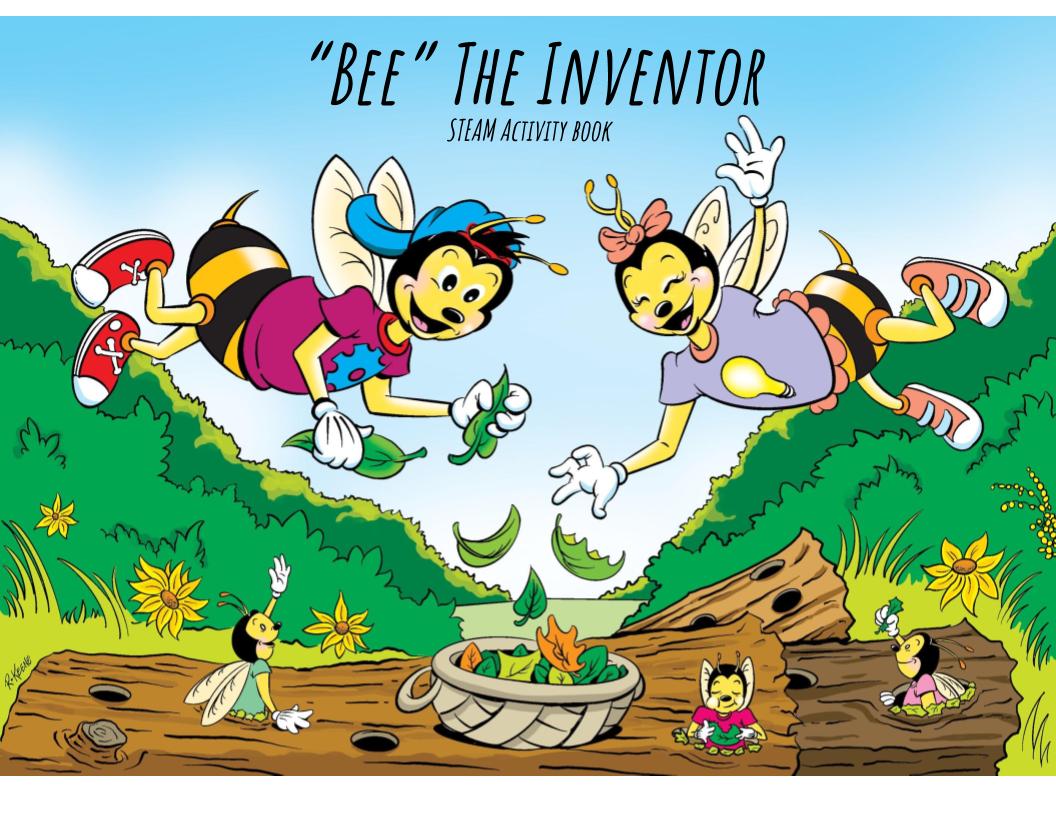
Bee the Inventor
Grade level: K-1
Bee the Inventor is a 10-page STEAM activity book that teaches young kids about invention through the role leaf cutter bees play in our environment. Kids learn how to build a bee house prototype for bees Shagun and Dwij.
Bee the Inventor is a 10-page STEAM activity book that teaches young kids about invention through the role leaf cutter bees play in our environment. Kids learn how to build a bee house prototype for bees Shagun and Dwij.
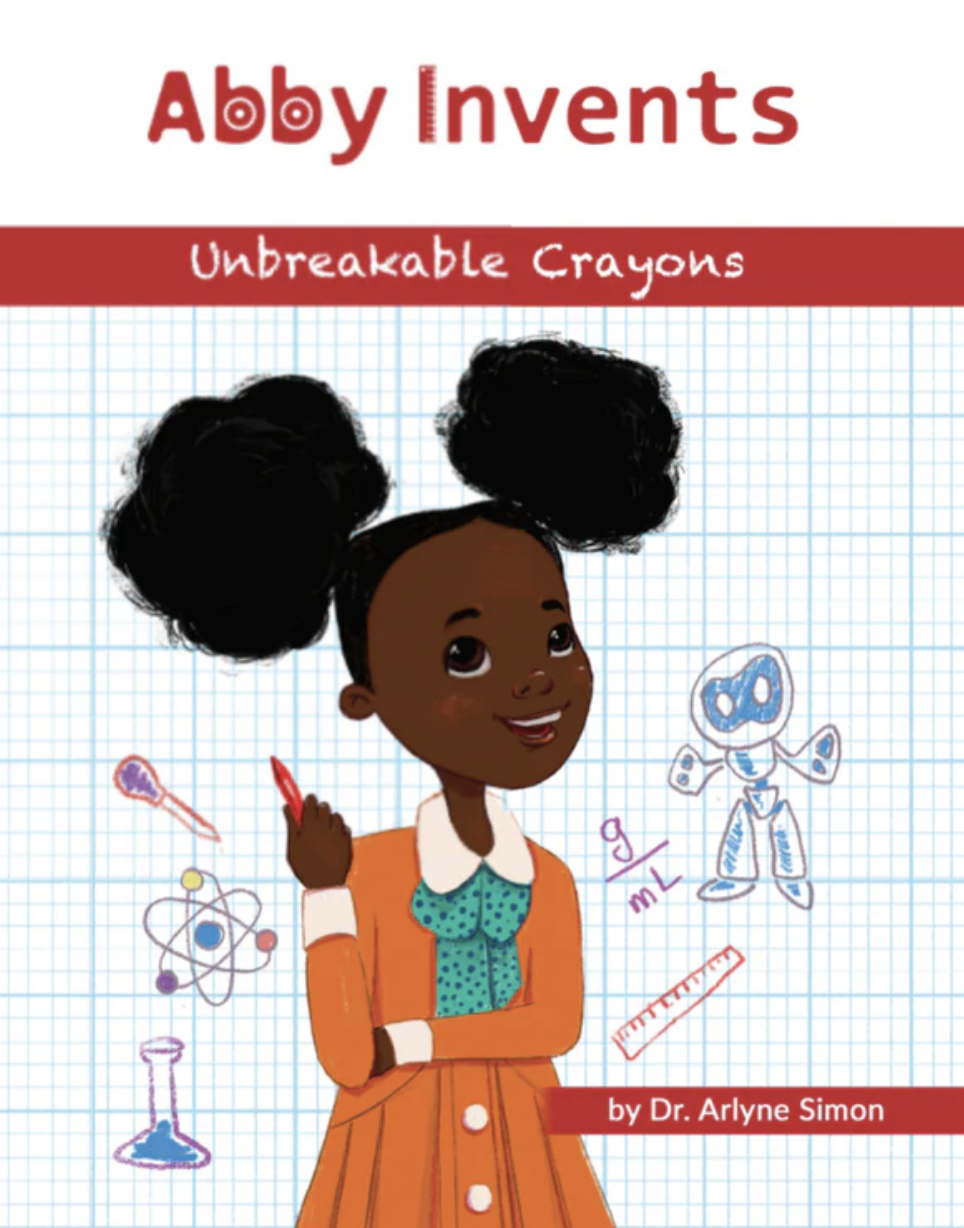
Invention Through Children's Books
Grade level: K-2
This guide supports teachers in using children’s literature as a launch point for invention, problem-solving, and creative thinking with young elementary-age students. Example books include Abby Invents: Unbreakable Crayons (Arlyne Simon), Where the Wild Things Are (Maurice Sendak), If I Built a Car (Chris Van Dusen).
This guide supports teachers in using children’s literature as a launch point for invention, problem-solving, and creative thinking with young elementary-age students. Example books include Abby Invents: Unbreakable Crayons (Arlyne Simon), Where the Wild Things Are (Maurice Sendak), If I Built a Car (Chris Van Dusen).
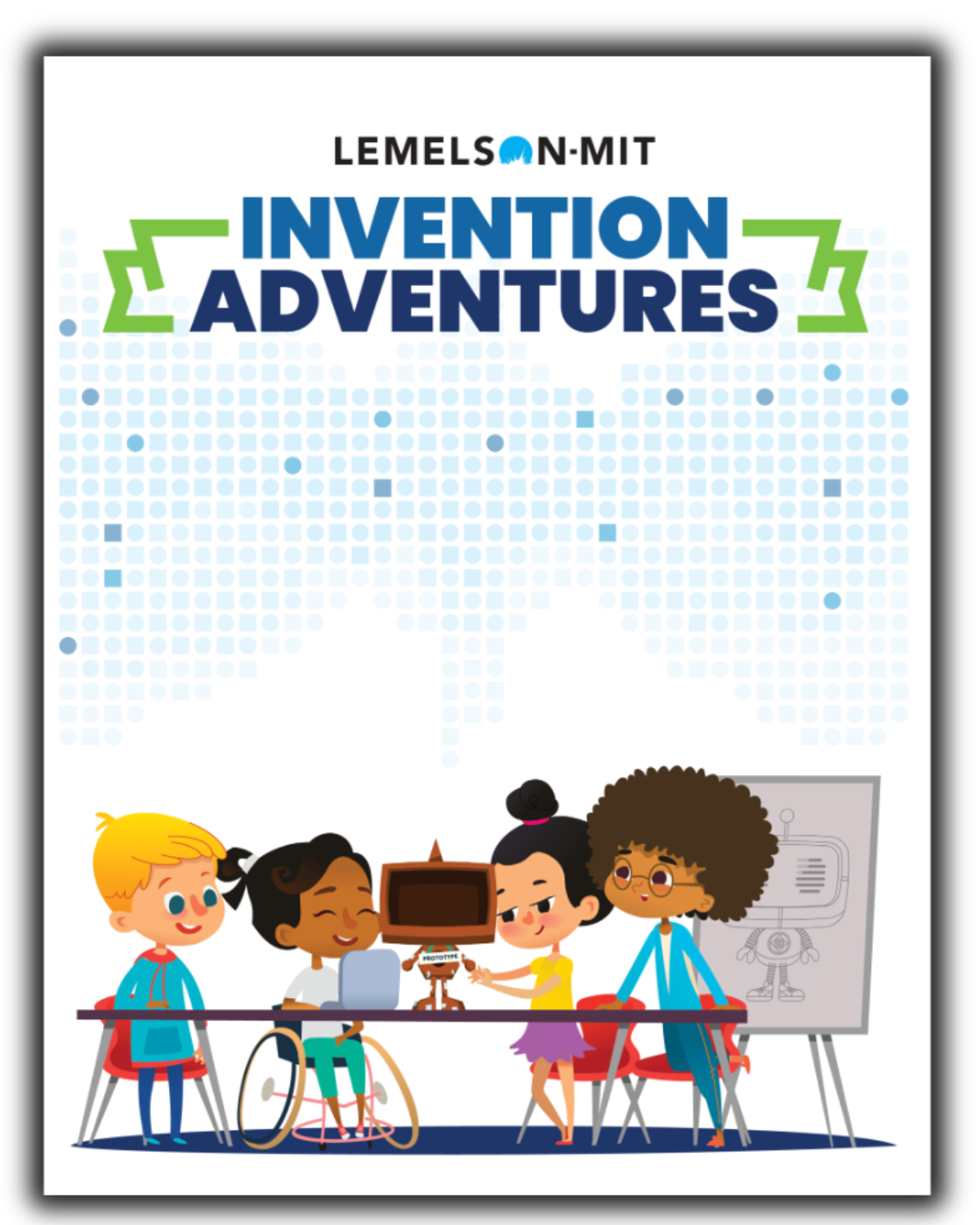
Invention Adventures
Grade level: 3-5
Invention Adventures is a hands-on invention education curriculum designed to introduce elementary-aged students to the mindset, skills, and processes used by real inventors. Through engaging activities, students learn that invention begins with identifying problems and developing creative solutions.
Invention Adventures is a hands-on invention education curriculum designed to introduce elementary-aged students to the mindset, skills, and processes used by real inventors. Through engaging activities, students learn that invention begins with identifying problems and developing creative solutions.
Light up Kicks
Grade level: 4-5
This transdisciplinary unit guides upper elementary students as they develop skills in inventive thinking and basic circuitry/shoe design through fun, hands-on activities. During this 16-meeting guide (approximately 45 minutes per meeting), students will gain an understanding of shoe design, drawing on inspiration from around the world, and basic circuitry to light up their very own shoes.
This transdisciplinary unit guides upper elementary students as they develop skills in inventive thinking and basic circuitry/shoe design through fun, hands-on activities. During this 16-meeting guide (approximately 45 minutes per meeting), students will gain an understanding of shoe design, drawing on inspiration from around the world, and basic circuitry to light up their very own shoes.
Inventing with Empathy
Grade level: 4-5
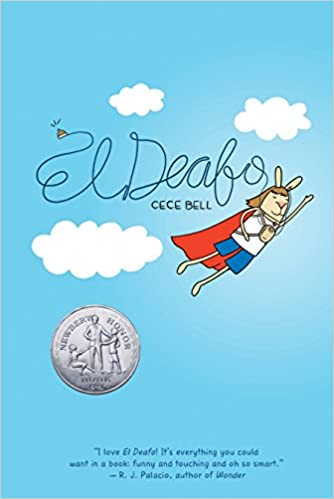
Students read El Deafo (Cece Bell), a graphic novel memoir about the author’s experience growing up with hearing loss and the challenges of using a bulky hearing aid device. Using this literature as a launching point, students build a prototype invention for the deaf community.
Students read El Deafo (Cece Bell), a graphic novel memoir about the author’s experience growing up with hearing loss and the challenges of using a bulky hearing aid device. Using this literature as a launching point, students build a prototype invention for the deaf community.
Howtoons
Grade level: 1-6
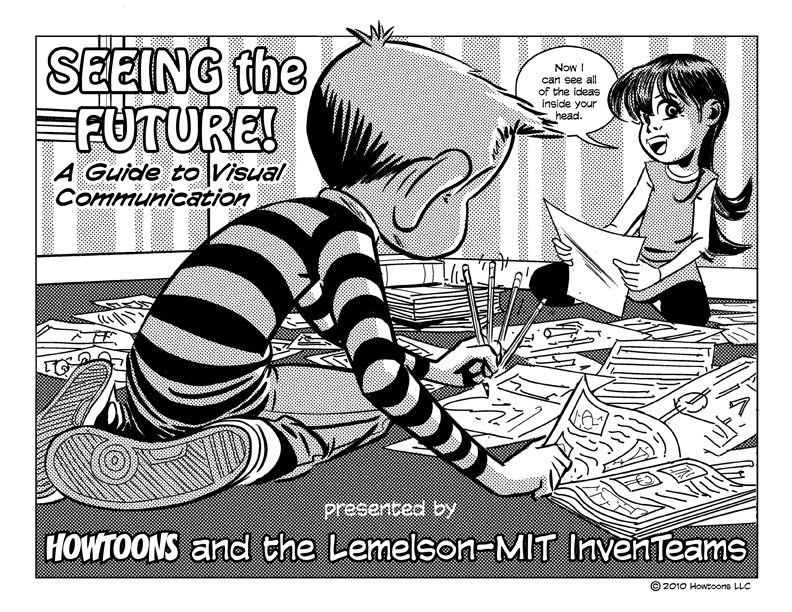
Kids learn how to make cool stuff through these fun and creative cartoons. HowToons engages readers in activities like building a swing, zipline, and other playground equipment. Kids can even learn how to create patent drawings so that all of their invention ideas can be put to paper.
Kids learn how to make cool stuff through these fun and creative cartoons. HowToons engages readers in activities like building a swing, zipline, and other playground equipment. Kids can even learn how to create patent drawings so that all of their invention ideas can be put to paper.
Middle School
Shoe Soles
Grade level: 6-9
The JV InvenTeams Shoe Soles activity guide will lead educators and students through the creative process of making shoe soles as they learn design and pattern transfer techniques and make shoe sole prototypes.
The JV InvenTeams Shoe Soles activity guide will lead educators and students through the creative process of making shoe soles as they learn design and pattern transfer techniques and make shoe sole prototypes.
Electronic Textiles
Grade level: 6-9
The JV InvenTeams Electronic Textiles activity guide will lead educators and students through the creative process of designing wearable technology. Students will explore basic circuitry applications and make wearable wrist bands.
The JV InvenTeams Electronic Textiles activity guide will lead educators and students through the creative process of designing wearable technology. Students will explore basic circuitry applications and make wearable wrist bands.

Chill Out
Grade level: 6-9
The JV InvenTeams Chill Out activity guide will lead educators and students through the creative applications of heating and cooling as they learn to build a lunch box. Students will also explore convection, conduction, radiation, heat and energy, electricity and circuits.
The JV InvenTeams Chill Out activity guide will lead educators and students through the creative applications of heating and cooling as they learn to build a lunch box. Students will also explore convection, conduction, radiation, heat and energy, electricity and circuits.

Pump it Up
Grade level: 6-9
The JV InvenTeams Pump it Up activity guide will lead educators and students through the applications of human power and energy. Students learn to build a water pump.
The JV InvenTeams Pump it Up activity guide will lead educators and students through the applications of human power and energy. Students learn to build a water pump.
U Control
Grade level: 6-9
The JV InvenTeams U Control activity guide will lead educators and students through applications of general motor science. Students will learn to design and build a door that can open and close.
The JV InvenTeams U Control activity guide will lead educators and students through applications of general motor science. Students will learn to design and build a door that can open and close.
Noise Makers
Grade level: 6-9
The JV InvenTeams Noise Makers activity guide will lead educators and students through applications of sound waves and electromagnetism. Students will build speakers.
The JV InvenTeams Noise Makers activity guide will lead educators and students through applications of sound waves and electromagnetism. Students will build speakers.
Super Lens
Grade level: 6-9
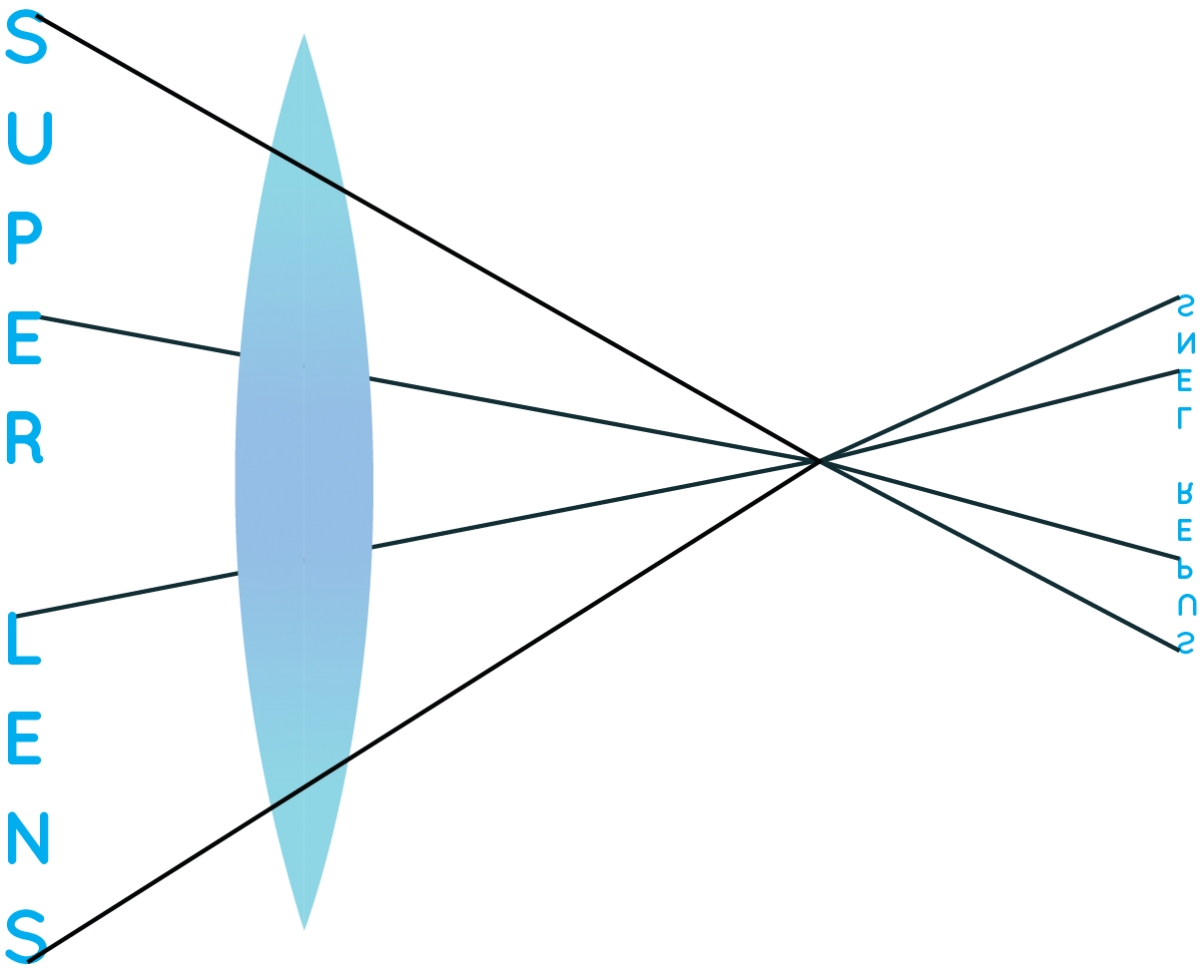
The JV InvenTeams Super Lens activity guide will lead educators and students through the science of light. Students will build a lens and create a camera prototype.
The JV InvenTeams Super Lens activity guide will lead educators and students through the science of light. Students will build a lens and create a camera prototype.

Green Chemistry
Grade level: 6-9
The JV InvenTeams Green Chemistry activity guide will encourage students to use green chemistry principles to invent bioplastics.
The JV InvenTeams Green Chemistry activity guide will encourage students to use green chemistry principles to invent bioplastics.
Toy Design
Grade level: 6-12
(Can be adapted for younger learners.)
The goal of Toy Design and Invention is to cultivate new ways of thinking and to develop technical skills for students with limited access to hands-on STEM enrichment opportunities. Through prescribed activities, students will add to their own “toolkits” of minds-on knowledge and hands-on skills while having fun!
(Can be adapted for younger learners.)
The goal of Toy Design and Invention is to cultivate new ways of thinking and to develop technical skills for students with limited access to hands-on STEM enrichment opportunities. Through prescribed activities, students will add to their own “toolkits” of minds-on knowledge and hands-on skills while having fun!
High School
Inventing Smart Solutions
Grade Level: 9-12
Inventing Smart Solutions is a process curriculum designed to guide students through the invention process. This is not a curriculum to move rigidly through slide-by-slide; rather, we encourage you to move through these resources in a non-linear way, pulling the resources you need and building the skills you need as the needs become apparent. Additionally, it is helpful to see the big picture arc of the invention process before diving in to the first several units.
Inventing Smart Solutions is a process curriculum designed to guide students through the invention process. This is not a curriculum to move rigidly through slide-by-slide; rather, we encourage you to move through these resources in a non-linear way, pulling the resources you need and building the skills you need as the needs become apparent. Additionally, it is helpful to see the big picture arc of the invention process before diving in to the first several units.
Re-Inventing Fashion for the Future
Grade level: 9–12
(Can be adapted for younger learners.)
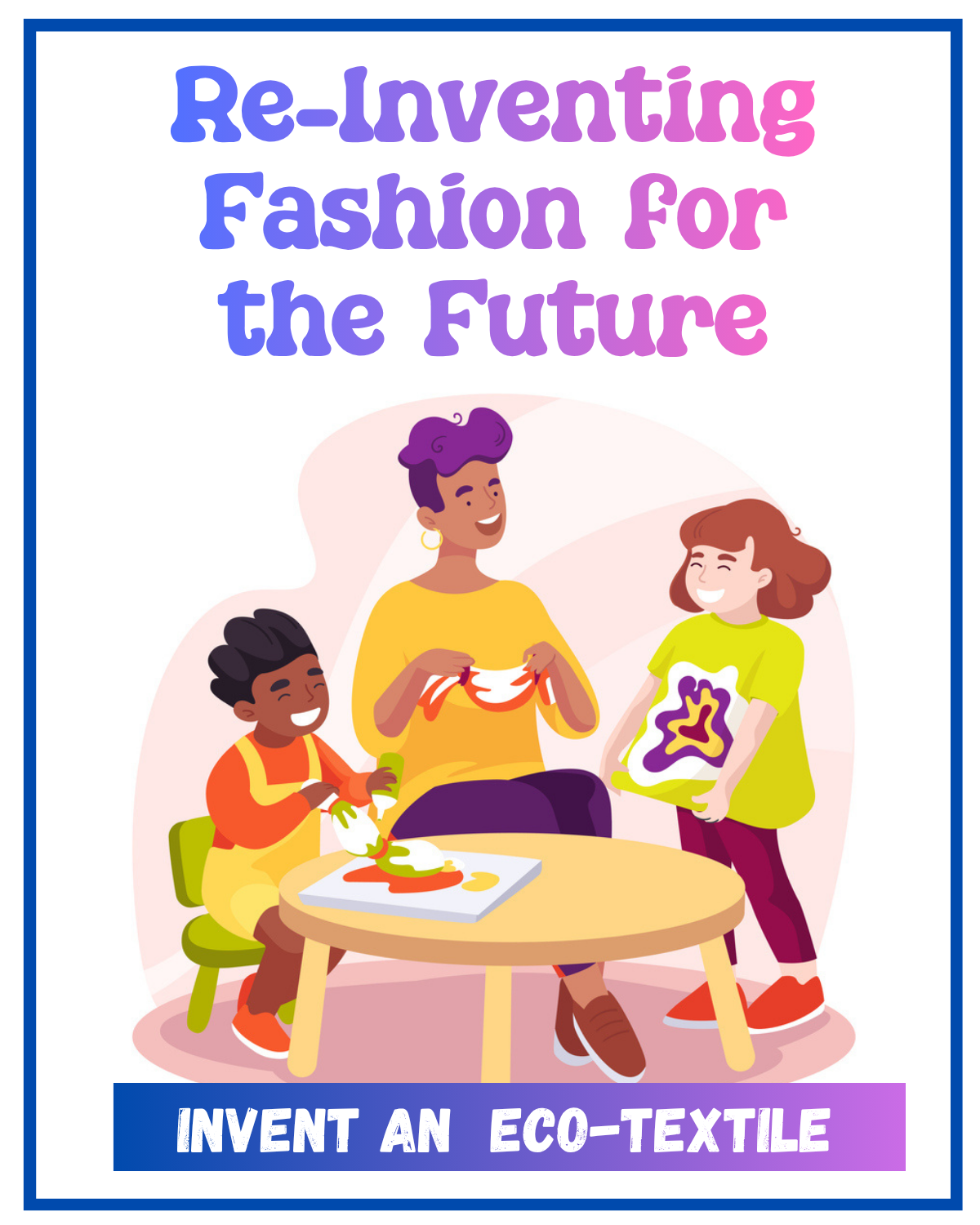
This curriculum centers on MIT’s climate mission of decarbonizing energy and industry, teaches high school students about the fashion industry’s significant contribution to global carbon emissions. Through the invention process, students create an eco-friendly textile using natural dyes and sew a garment that solves a problem for a potential client.
(Can be adapted for younger learners.)
This curriculum centers on MIT’s climate mission of decarbonizing energy and industry, teaches high school students about the fashion industry’s significant contribution to global carbon emissions. Through the invention process, students create an eco-friendly textile using natural dyes and sew a garment that solves a problem for a potential client.
Toy Design
Grade level: 6-12
(Can be adapted for younger learners.)
The goal of Toy Design and Invention is to cultivate new ways of thinking and to develop technical skills for students with limited access to hands-on STEM enrichment opportunities. Through prescribed activities, students will add to their own “toolkits” of minds-on knowledge and hands-on skills while having fun!
(Can be adapted for younger learners.)
The goal of Toy Design and Invention is to cultivate new ways of thinking and to develop technical skills for students with limited access to hands-on STEM enrichment opportunities. Through prescribed activities, students will add to their own “toolkits” of minds-on knowledge and hands-on skills while having fun!


